Exactly How Recycled Metals Power Lasting Manufacturing in Today's Aluminum Foundries
The aluminum industry is undergoing a significant makeover driven by the adoption of recycled metals. This change not only improves power effectiveness but likewise decreases ecological effect. Advancements in reusing technology are vital in this process, guaranteeing the top quality of recycled light weight aluminum meets sector requirements. As the demand for lasting production surges, it questions about the future of light weight aluminum shops and their duty in a circular economic climate. What are the implications for manufacturing techniques?
The Importance of Recycling in the Light Weight Aluminum Market
Recycling plays a necessary role in the light weight aluminum industry, significantly minimizing the environmental effect associated with metal manufacturing. The procedure of reusing light weight aluminum calls for considerably much less energy compared to primary manufacturing, utilizing approximately 95% much less energy and resulting in reduced greenhouse gas discharges. This power effectiveness not only preserves natural deposits yet additionally reduces the environmental impact of light weight aluminum manufacturing. Additionally, recycling aluminum contributes to a round economy, where materials are constantly repurposed, consequently decreasing the demand for virgin products. aluminum casting. The light weight aluminum sector take advantage of the high worth of recycled aluminum, which is commonly liked because of its high quality and reduced environmental price. As more customers and industries opt for recycled products, the demand for recycled aluminum proceeds to expand, advertising sustainable methods. On the whole, reusing is not simply a cost-effective solution; it is an important element in cultivating ecological sustainability and enhancing the aluminum industry's future
Innovations in Recycling Innovation
As the light weight aluminum market evolves, technologies in reusing modern technology are changing the means recycled steels are processed and made use of. Advanced sorting techniques, such as computerized optical sorting, currently enable foundries to efficiently compare various aluminum qualities, making sure greater pureness in recycled products. Additionally, the application of hydrometallurgical procedures allows for the removal of aluminum from complicated waste streams, improving overall healing rates.
Additionally, the assimilation of expert system and maker knowing in reusing procedures enhances decision-making and functional effectiveness. These innovations optimize the reusing procedure by anticipating product circulations and determining prospective inefficiencies.
Furthermore, the development of closed-loop recycling systems lessens product loss and sustains continuous use of aluminum products. Developments in chemical reusing techniques are also arising, allowing the healing of light weight aluminum from products that were formerly considered non-recyclable. Collectively, these improvements are setting brand-new requirements for sustainability in light weight aluminum foundries, advertising a circular economic situation.
Energy Effectiveness and Environmental Impact
While the light weight aluminum factory field makes strides in reusing modern technology, it likewise deals with pushing difficulties pertaining to power performance and environmental effect. The manufacturing of light weight aluminum from recycled materials significantly minimizes power intake compared to primary light weight aluminum manufacturing, yet numerous factories still count on energy-intensive processes. These procedures add to greenhouse gas emissions and ecological destruction, highlighting the demand for improved linked here techniques.
Carrying out energy-efficient technologies, such as sophisticated melting and spreading techniques, can mitigate these influences. On top of that, maximizing logistics and spending in sustainable energy sources are crucial for decreasing the carbon footprint associated with light weight aluminum manufacturing. The change to lasting techniques not just benefits the environment yet can also boost the financial stability of shops, drawing in environmentally conscious customers and investors. As the sector advances, prioritizing energy performance and lowering environmental harm will certainly be important for the lasting sustainability of aluminum foundries in an affordable market.
High Quality Assurance in Recycled Light Weight Aluminum Production
Securing top quality requirements in recycled aluminum manufacturing is vital for maintaining the honesty of the final item. This process begins with the careful option of scrap materials, where impurities such as plastics, layers, and other steels are thoroughly removed. Advanced arranging innovations, such as automated systems and manual examinations, play an essential duty in achieving this objective.
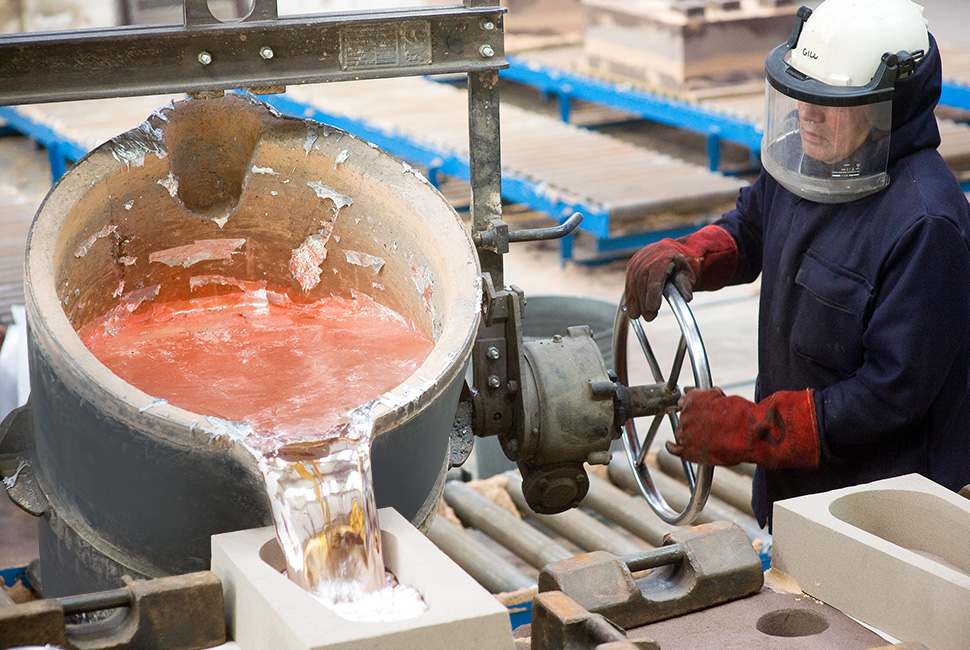
As soon as the scrap is considered ideal, rigorous melting and spreading procedures are used, closely kept track of to preserve temperature and structure (aluminum casting). Quality guarantee methods involve routine sampling and screening of the molten light weight aluminum to detect find out pollutants and assure it meets market specs
Furthermore, licensed top quality management systems are carried out, permitting shops to track production metrics and maintain conformity with international standards. By prioritizing high quality guarantee throughout the manufacturing cycle, light weight aluminum foundries can create high-performance products that not only satisfy customer visit our website expectations however additionally add to lasting production methods.
Future Trends in Sustainable Light Weight Aluminum Manufacturing
The future of sustainable light weight aluminum manufacturing is poised for significant transformation, driven by developments in innovation and enhancing ecological understanding. Sector leaders are checking out innovative recycling methods that improve product recuperation and lower waste. The assimilation of fabricated knowledge and artificial intelligence in factories is expected to optimize production procedures, making sure reliable use of resources while lowering carbon discharges.
The use of sustainable energy resources, such as solar and wind, is prepared for to end up being a standard technique in aluminum manufacturing, more decreasing the industry's carbon impact. Partnership amongst makers, governments, and study organizations is essential to creating sustainable techniques and establishing governing frameworks that advertise green operations.
Regularly Asked Concerns
What Kinds of Metals Are Frequently Recycled Alongside Light Weight Aluminum?
Typically reused metals alongside light weight aluminum include copper, brass, steel, and zinc. These materials are usually gathered from various sources, consisting of building and construction websites, vehicle components, and customer items, adding to a circular economic situation and sustainable source monitoring.
Just How Is Recycled Light Weight Aluminum Different From Primary Aluminum?
Recycled aluminum differs from key aluminum in its manufacturing process; it calls for considerably much less energy and emits less greenhouse gases. Additionally, recycled aluminum retains similar buildings and top quality, making it a sustainable option for different applications.
What Are the Economic Conveniences of Making Use Of Recycled Metals?
Using recycled steels greatly minimizes manufacturing expenses, lessens power consumption, and decreases waste disposal costs. This strategy additionally fosters task production in recycling industries, adding to a much more sustainable economic climate while boosting resource efficiency throughout various fields.
Just How Does Recycled Light Weight Aluminum Influence Product Layout?
Recycled aluminum influences product style by permitting higher versatility in dimensions and shapes, lowering weight, and motivating ingenious approaches. Designers can integrate sustainability flawlessly, enhancing looks while minimizing environmental effect and source intake.
Are There Particular Laws for Recycled Light Weight Aluminum Manufacturing?
Yes, details regulations govern recycled aluminum production, concentrating on environmental requirements, safety and security methods, and recycling processes. Compliance guarantees that producers lessen exhausts, advertise lasting practices, and maintain product top quality throughout the aluminum lifecycle.
The light weight aluminum market advantages from the high worth of recycled light weight aluminum, which is typically favored due to its top quality and reduced ecological price. As more industries and customers decide for recycled products, the need for recycled light weight aluminum proceeds to expand, promoting sustainable practices. The production of aluminum from recycled products greatly reduces power intake contrasted to primary aluminum production, yet many foundries still rely on energy-intensive procedures. Recycled light weight aluminum varies from main aluminum in its manufacturing procedure; it needs significantly less energy and discharges fewer greenhouse gases. Yes, certain policies govern recycled light weight aluminum manufacturing, focusing on ecological requirements, safety methods, and reusing processes.